Design precedes assembly.
I have spent years doing A&R the way most people understand it. You find the person first. You hear the voice, watch the performance, figure out what is natural and what is somebody trying way too hard to look like what they think an artist is supposed to look like. Then you start building outward -- songs, sound, image, live show, identity, audience, all of it. Sometimes the artist already has most of the answers and your job is to recognize them. Sometimes the answers are buried under six bad decisions, an unfortunate haircut and a song they absolutely refuse to stop playing you.
I still believe in that process. I also started wondering what would happen if I reversed it.
There is a little Tolkien in the logic. Middle-earth did not need to wait for Frodo, Gandalf and Sauron to show up before it could have geography, history, mythology, languages and rules. Build enough of the world first and eventually the question changes from "What world should we create around this person?" to something much more specific: Who the hell belongs in this world?
That is Reverse A&R.
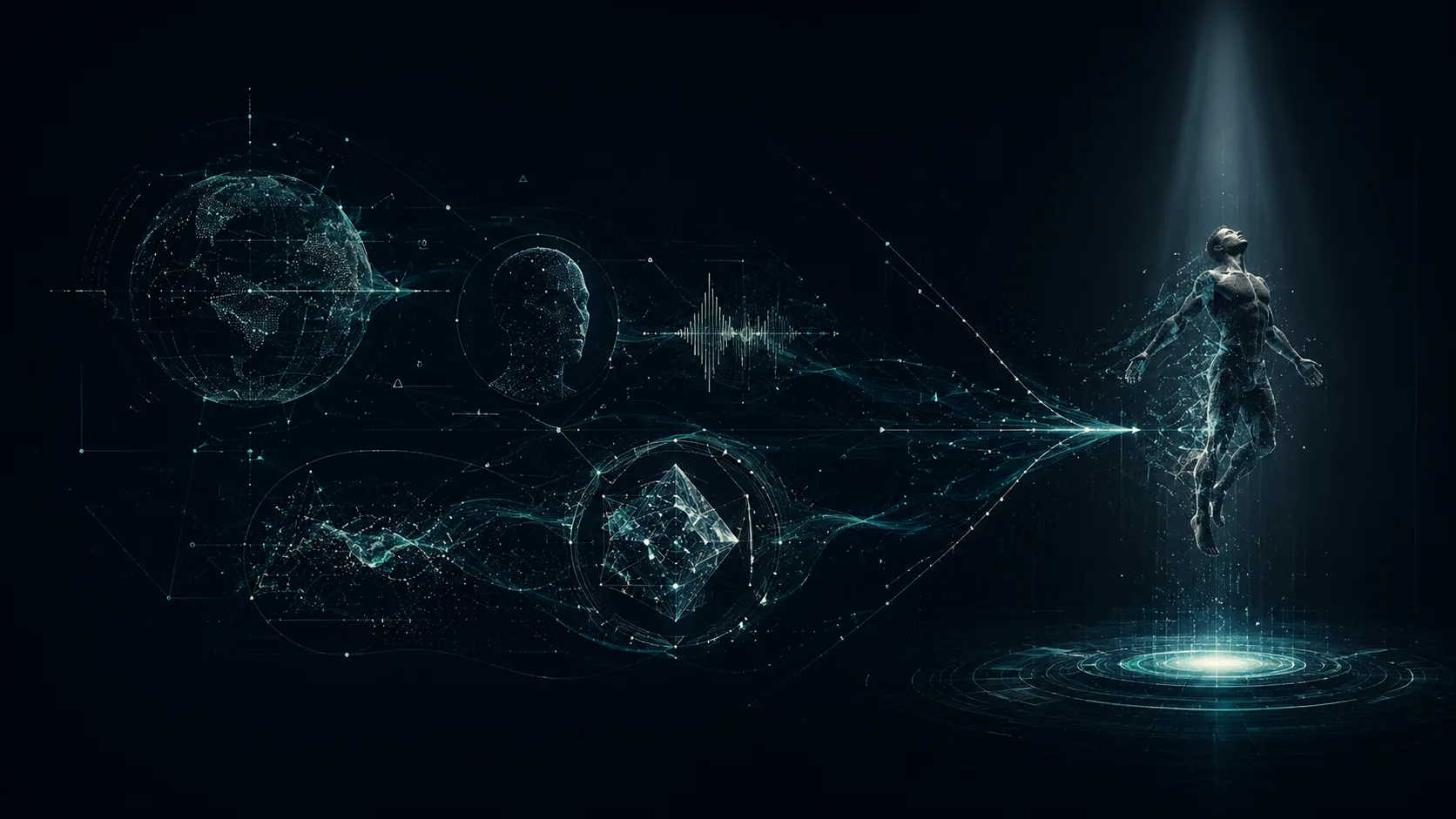
Reverse A&R is a discipline in which the creative world is designed before the final artist is cast into it. Songs, sound, identity, mythology, visual language and creative intent can be developed far enough that A&R begins searching for the human who belongs inside an existing artistic world instead of starting with a human and inventing the world around them. Traditional A&R begins with the artist and builds outward. Reverse A&R begins with the world and works back toward the artist. Design precedes assembly.
I want that definition to be clear because the phrase has already been used elsewhere for something different. Sometimes "reverse A&R" describes the now-common situation where an artist builds an audience independently and a label comes along after the traction is obvious. Ok, cool, but that is basically a reversal of when the deal happens. What I am describing is a reversal of when the artist enters the process. The person does not have to be the first known variable anymore.
I am also not pretending I discovered the idea of casting humans into something that was designed before they arrived. Entertainment has been doing versions of that forever. Manufactured groups existed. Trainee systems existed. Television casting existed. Virtual acts existed. Somebody somewhere has almost certainly built a concept first and gone looking for the right performer since five minutes after entertainment became a business. I have worked in A&R, artist development and casting long enough to know better than to claim otherwise.
What I am doing is naming the inversion, defining it publicly and treating it as a discipline that can stand on its own instead of something buried inside a company's internal system or happening project by project.
The timing is interesting because generative technology lets us know a ridiculous amount about the artistic world before we ever cast the person. Songs can be written, tested, revised and compared. Visual ideas can be pushed much farther. Identity, narrative and tone can become specific instead of living forever in a manifestation journal, next to a picture of Olivia Rodrigo and the words "Totally going to be me in 3 years lol."
That means the casting question can get a lot smarter.
"Great singer with star quality" is not a casting specification. That could describe half of Los Angeles and 37 bartenders in Nashville who have been waiting twelve years for you to ask.
Reverse A&R can arrive at the human search knowing much more. What kind of voice actually carries these songs? What kind of personality makes the identity believable instead of looking like somebody was handed a costume? What instincts does this person need? Where can they challenge what has already been built and make it better? What parts of the concept are flexible, and what collapses if the wrong person is standing in the middle of it?
That last part is important because a designed artist does not mean a disposable human.
"Manufactured" has become one of those words people throw at pop music when they want to suggest that planning somehow cancels authenticity. I have never bought that. Casting somebody intentionally does not remove their instincts, judgment, personality or talent. A film role can exist before the actor is chosen and nobody is shocked when the actor still brings something uniquely theirs to it. The same principle can apply here.
In fact, the better the world is defined, the more obvious it becomes when the wrong human is inside it.
That is where The human must survive the model connects to Reverse A&R for me. Not as an AI ethics bumper sticker. Technology can generate, analyze, organize, iterate and get extraordinarily capable. Good. Let it. I'm not the boss of technology. The process still moves toward a person who has to interpret the work, embody it, perform it and eventually change parts of it simply because they are a human being and not a specification sheet.
The goal is not to make the human less necessary. It is to stop pretending we always need to find the human before we are allowed to know what we are looking for.
That is also why Fathomless Worlds exists under BLADEPHAROH. It is the company in development I am building around Reverse A&R, not a hypothetical example I invented so this essay would have something to point at. The public concept is straightforward: define enough of the artistic world first that casting becomes one of the central creative acts, then develop the person into something with an existing logic rather than improvising the entire identity after somebody promising happens to appear.
How Fathomless Worlds actually operates underneath that idea is staying underneath it. You can know what chess is without me handing you every move I plan to make.
So I'm putting a name on it here and saying exactly what I mean by it.
Reverse A&R is the discipline of building the artistic world first, then finding the human who belongs inside it.
Not because the human became less important. Especially now, the human is the part you cannot afford to get wrong.
Because now we can know a hell of a lot more before we go looking for them.